
As architecture enters 2026, the global industry is shifting from spectacle toward purpose-driven, human-centered design. Adaptive reuse, climate-responsive buildings, and flexible mixed-use spaces are redefining how structures are conceived, while technology works subtly, enhancing performance without shaping form.
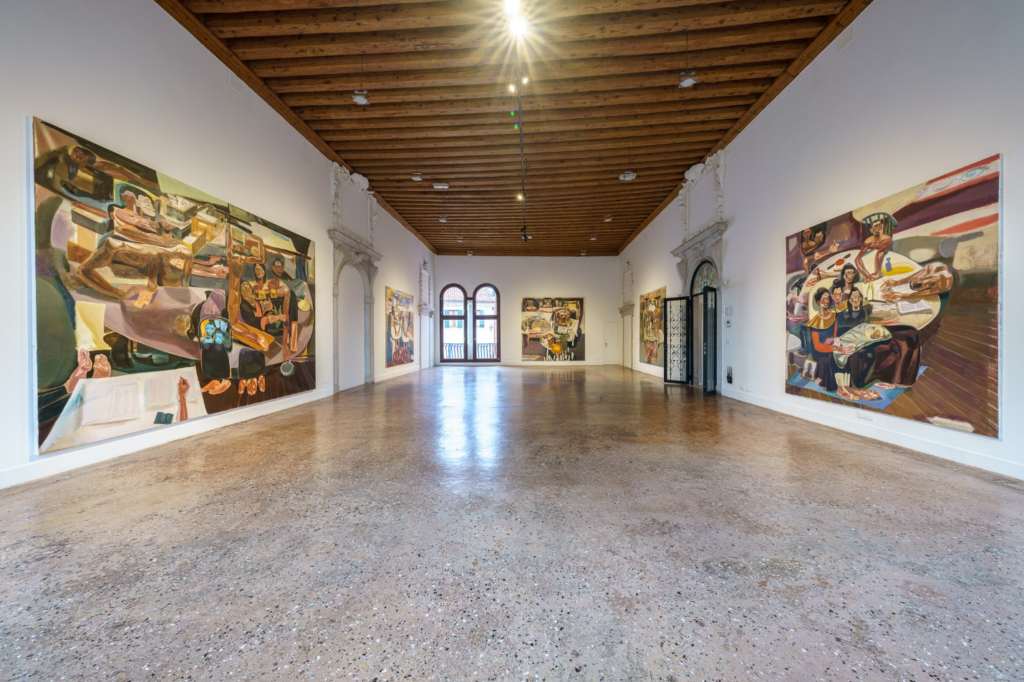
Africa is increasingly influencing these global narratives. In 2024, Ethiopia debuted its first national pavilion at the Venice Biennale, Prejudice and Belonging, featuring Tesfaye Urgessa’s work and curated by Lemn Sissay OBE. This milestone highlighted African perspectives on identity, place, and belonging—ideas closely linked to architecture.
By 2026, the launch of the first Pan-African Architecture Biennale in Kenya signals a shift from participation to authorship, with African architects creating spaces for dialogue grounded in local realities. Cities like Nairobi, Kigali, Addis Ababa, and Lagos showcase projects that blend global trends with African contexts: earth-based materials, shaded communal areas, modular construction, and urban designs prioritizing social life. Warm earth tones paired with muted greens and charcoals define a calm, grounded aesthetic.
African architecture in 2026 is not just following trends—it is helping redefine them, establishing the continent as a leader and convener in shaping the future of design.
By Nujuma Ibrahim
www.starboundcreations.com