
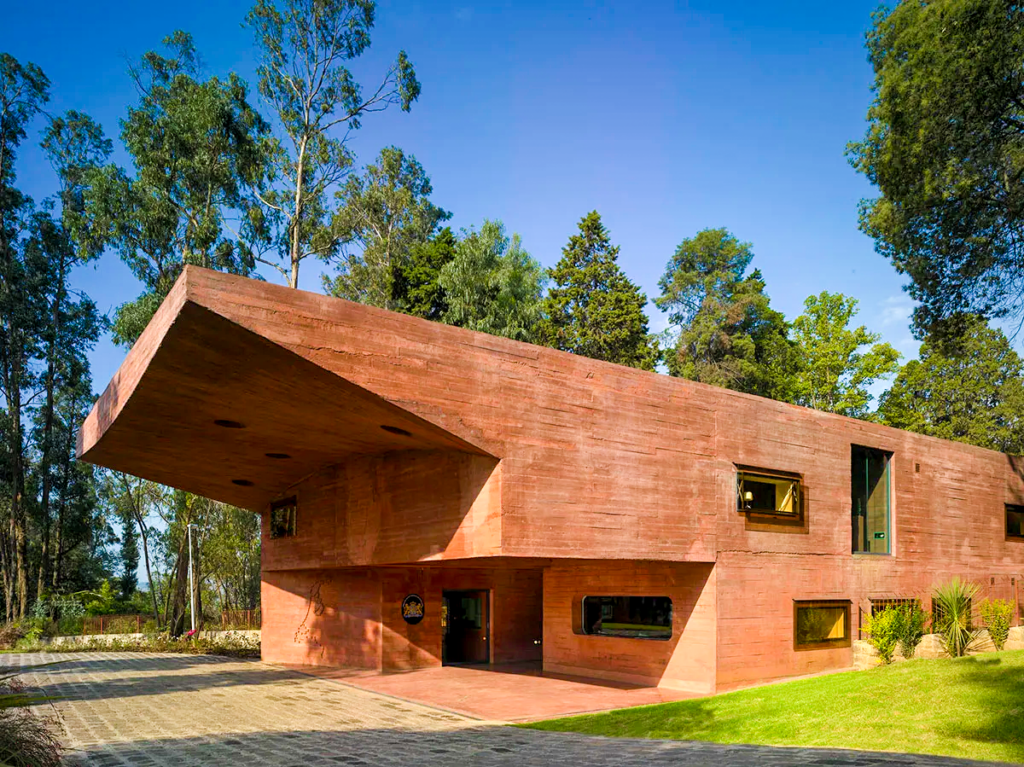
Architecture has always been shaped by the materials available to it. Stone demanded permanence, timber invited craft and lightness,
and concrete enabled new forms and scales.
Materiality was never merely aesthetic; it was a dialogue between climate, culture, technology, and limitation. The weight, texture, aging, and imperfections of materials influenced not only how buildings looked, but how they were designed, built, and experienced.
Today, technology has dramatically expanded our material palette. Surfaces can convincingly imitate wood, stone, or metal—often lighter, cheaper, and easier to install. While this appears to be progress, it raises an important question: is imitation truly what we want? When materials are reduced to appearance alone, architecture risks losing depth and meaning.
Historically, constraints drove innovation. Designers learned to work with materials—understanding their behavior, limits, and potential. Timber’s structural limits encouraged inventive joinery; stone’s weight demanded clarity and discipline. When materials are mimicked, these challenges disappear, and with them a layer of architectural intelligence and rigor.
There is also an emotional cost. Authentic materials age, weather, and carry memory. They respond to time and place. A replicated surface remains static—detached from craft, context, and story. It may satisfy the eye, but rarely the senses.
This is not a rejection of technology, but a call for intention. The real question is not whether we can imitate materials, but when—and why—we choose to do so.
Can you identify a favorite use of material in Addis Ababa’s buildings or urban fabric—one that resonates with you, evokes memory or emotion, and reflects the character of the city you experience every day?
By Nujuma Ibrahim
www.starboundcreations.com