
Symptoms, Causes, And Why It Matters
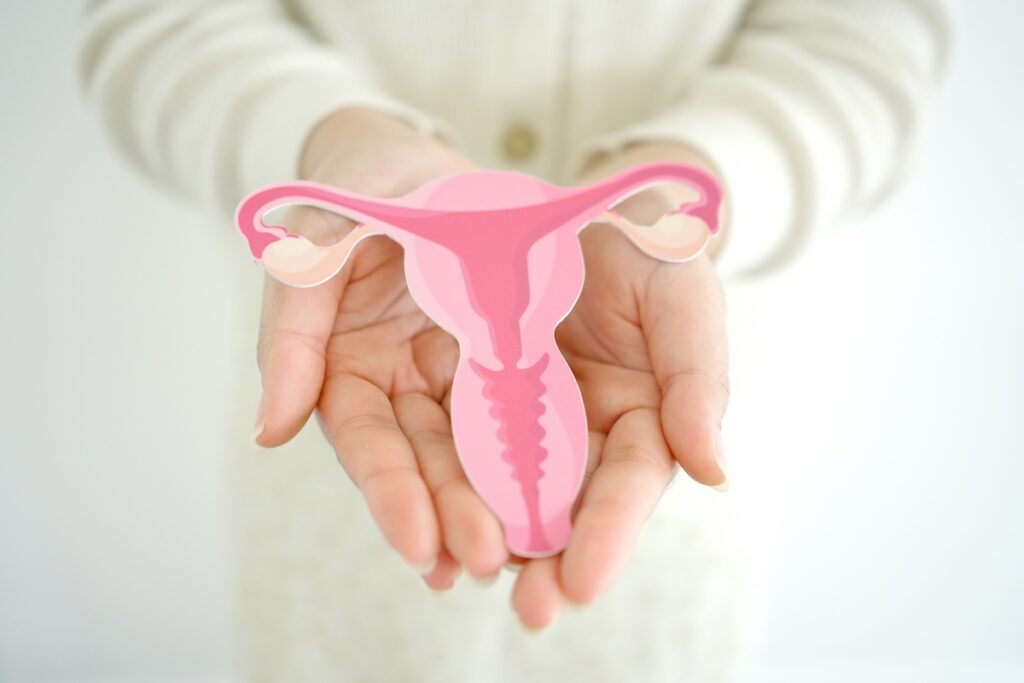
Polycystic ovary syndrome (PCOS) is a hormonal condition affecting 1 in 10 women of reproductive age. While its name suggests “cysts on the ovaries,” PCOS is more than just an ovarian issue. It’s a systemic issue that can impact fertility, metabolism, and overall health.
What are the signs of PCOS?
Women with PCOS often experience:
Irregular periods (or no periods at all).
Acne, oily skin, or unwanted hair growth on the face/body.
Thinning hair on the scalp.
Weight gain or difficulty losing weight (but rarely, thin women can have PCOS).
Trouble getting pregnant.
Doctors diagnose PCOS if you have at least two of these three criteria:
Irregular ovulation
High “male hormones” (androgens), Or
Cysts on the ovaries (seen via ultrasound).
Why does PCOS happen?
The exact cause is unclear, but several factors play a role:
Genetics: PCOS often runs in families.
Hormonal Imbalance: High insulin levels (from insulin resistance) trigger the ovaries to produce excess androgens, disrupting ovulation.
Lifestyle & Environment: Poor diet, inactivity, chronic stress, and exposure to endocrine disrupting chemicals (in plastics or cosmetics) can worsen symptoms.
This article is the fourth of a six-part series on Wellness contributed by Seble Alemu, Doctor of Traditional Chinese Medicine and Licensed Acupuncturist (DTCM, Lic. Ac.)
In the March issue, we will discuss why women have to identify PCOS clinical signs and symptoms.
Visit: acupunctureinaddis.com