
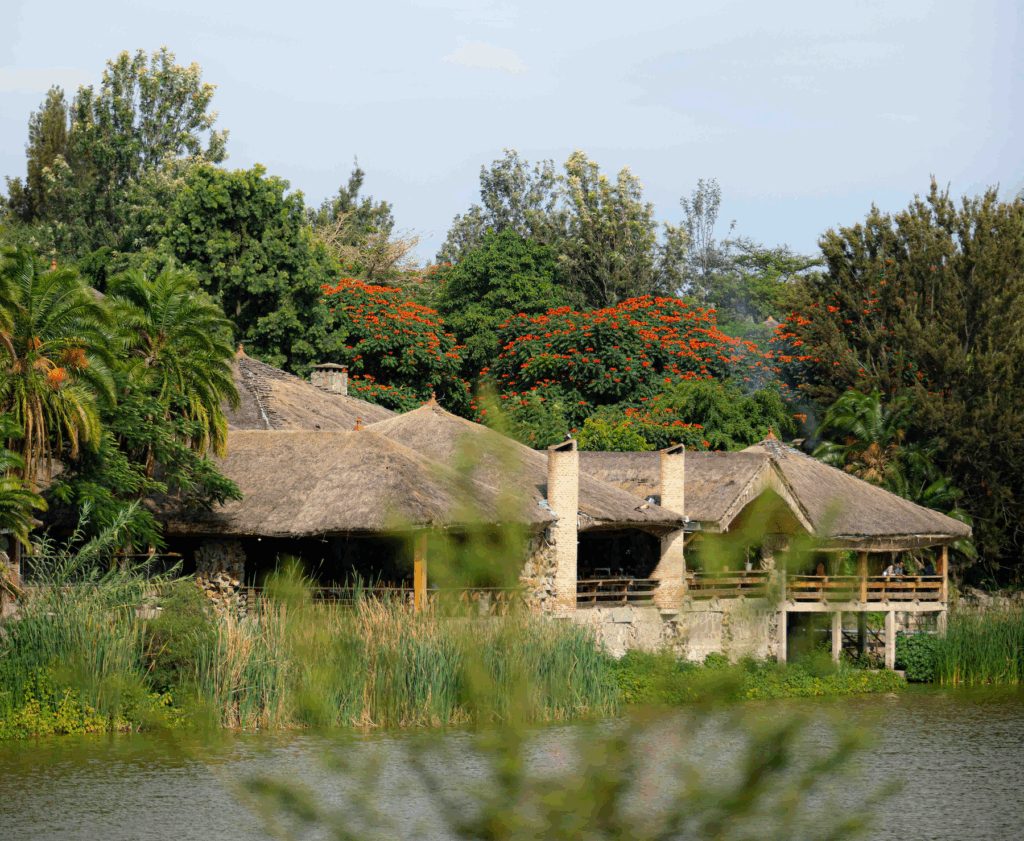
When we talk about Afrocentric design, many people picture bold patterns, colors, and textiles. But it’s really about much more—it’s about how we live, how we connect, and how we build with intention. Across Africa, our ancestors designed with deep understanding—responding to climate, community, and context long before sustainability became a global goal.
Think about Morocco’s traditional riads,
homes built around interior courtyards filled with greenery and water. Those courtyards aren’t just beautiful—they naturally cool the air, create privacy, and bring families together. That same idea of harmony between people, architecture, and the environment is often lost in our modern cities.
Across the continent, traditional architecture doesn’t fight the landscape—it fits into it. From the terraced settlements of Ethiopia’s highlands to the earthen compounds of the Sahel, buildings emerge from their surroundings using materials sourced directly from the ground beneath them. Walls breathe, roofs collect rain, and shaded courtyards become extensions of the land itself. This dialogue between structure and setting is what contemporary design often overlooks in its pursuit of glass and steel.
We see this ancestral wisdom reinterpreted in projects like Kuriftu Resorts across Ethiopia, where architecture draws from vernacular materials and local craftsmanship to create hospitality experiences rooted in place. Or Halala Kella Resort by Rahel Shawl and her team at RASS Architects, where modern forms gently rest within the natural topography, embracing the texture, tone, and rhythm of the landscape itself.
Designing the cities of tomorrow, architects are beginning to use our inherited intelligence, our materials, and our stories to shape spaces that belong to both their people and their land to create cities that truly feel like home.
By Nujuma Ibrahim
www.starboundcreations.com