
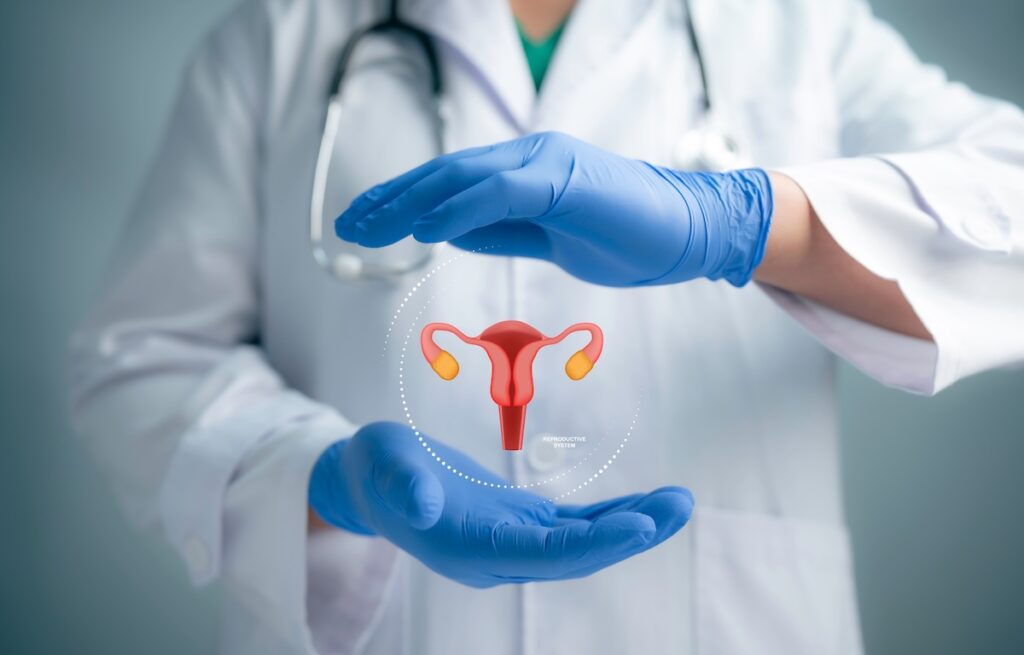
While there’s no “cure” for Polycystic Ovary Syndrome (PCOS), a system-based approach can help manage symptoms and restore hormonal balance by targeting underlying issues like insulin resistance, inflammation, and gut health.
Testing for Root Causes
System-based practitioners may recommend:
Hormone tests
Metabolic tests
Vitamin D and thyroid tests
Gut health tests
Diet and Lifestyle Chvange
1. Focus on Low Carb, High Fiber foods: A diet rich in low carb vegetables, lean proteins, and healthy fats, stabilizes blood sugar.
2. Time Your Meals: If you are overweight, practice Intermittent fasting.
3. Move Daily: Even light exercise (walking, yoga) helps reduce insulin resistance.
Stress and Sleep Matter
Chronic stress worsens hormonal imbalances. Prioritize sleep and stress reducing practices like acupuncture, meditation or deep breathing.
Work With Your Doctor
Always consult a healthcare provider
before starting supplements, especially if
taking medications.
The Bottom Line
PCOS is complex, but a personalized approach addressing diet, hormones, and stress can restore balance.
This is the last article in our six-month series on wellness and women’s health contributed by Seble Alemu (DTCM) Lic Ac, DTCM
Visit: acupunctureinaddis.com